

Why Factory Sound Systems Feel Flat

You purchase a modern car with an upgraded factory audio badge stamped on the speaker grilles, turn up your favorite track, and expect a rich, immersive listening experience. Instead, the music feels thin, the vocals get lost in the middle, and cranking the volume past half only brings harsh distortion and muddy bass.
It is one of the most common complaints we hear at our Watford workshop. Drivers assume that if a car carries a prestigious interior brand, the sound system beneath the surface must match. In reality, car manufacturers cut costs on components that drivers cannot see.
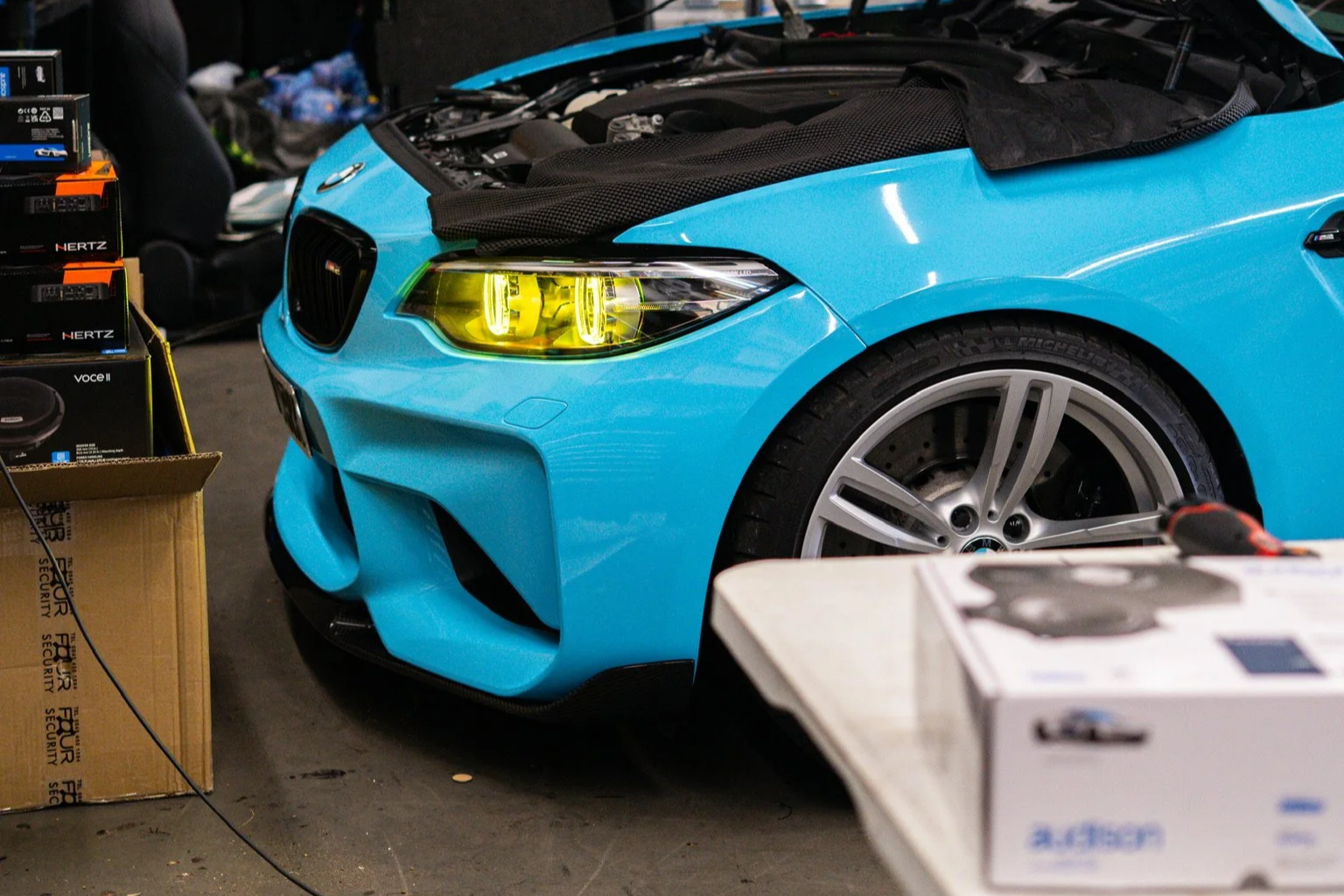
If you pop off a door card on almost any modern production car, the physical reality of factory speakers becomes obvious. Even in high-spec models, car makers fit lightweight speakers built with cheap paper cones, tiny ceramic magnets, and flimsy plastic or stamped-steel baskets.
Paper cones are inexpensive to mass-produce, but they suffer from major structural weaknesses inside a car door. Moisture causes them to deteriorate over time, and the physical force required to push sound waves causes paper to flex violently. That flexing creates acoustic distortion, blurring acoustic instruments together and making vocals sound muffled.
High-performance aftermarket components from brands like Audison and Morel use entirely different engineering principles. Instead of fragile paper, their speaker cones are crafted from composite materials such as pressed cotton-fiber mixes, carbon fiber, or damped polymer materials. These materials are incredibly rigid yet lightweight, allowing the speaker to move precisely without flexing.

The driver motor assemblies present another massive gap in quality. Cheap factory speakers rely on small, heavy ferrite magnets that lack the power to control the speaker's movement accurately. High-end aftermarket drivers utilize high-grade neodymium magnets. Neodymium provides immense magnetic force in a compact profile, enabling crisp transient responses, tight mid-bass snap, and effortless detail across high frequencies.
Another hidden flaw in factory audio setups is component separation. Base-spec vehicles often pair a single full-range speaker low down in the door, forcing mid-bass and high frequencies to battle each other from footwell height. A proper component upgrade separates these duties, placing dedicated mid-bass drivers in the lower door and silk-dome tweeters higher up on the A-pillars or mirror caps. This raises the acoustic soundstage directly onto your dashboard, placing the artist right in front of you rather than down by your ankles.
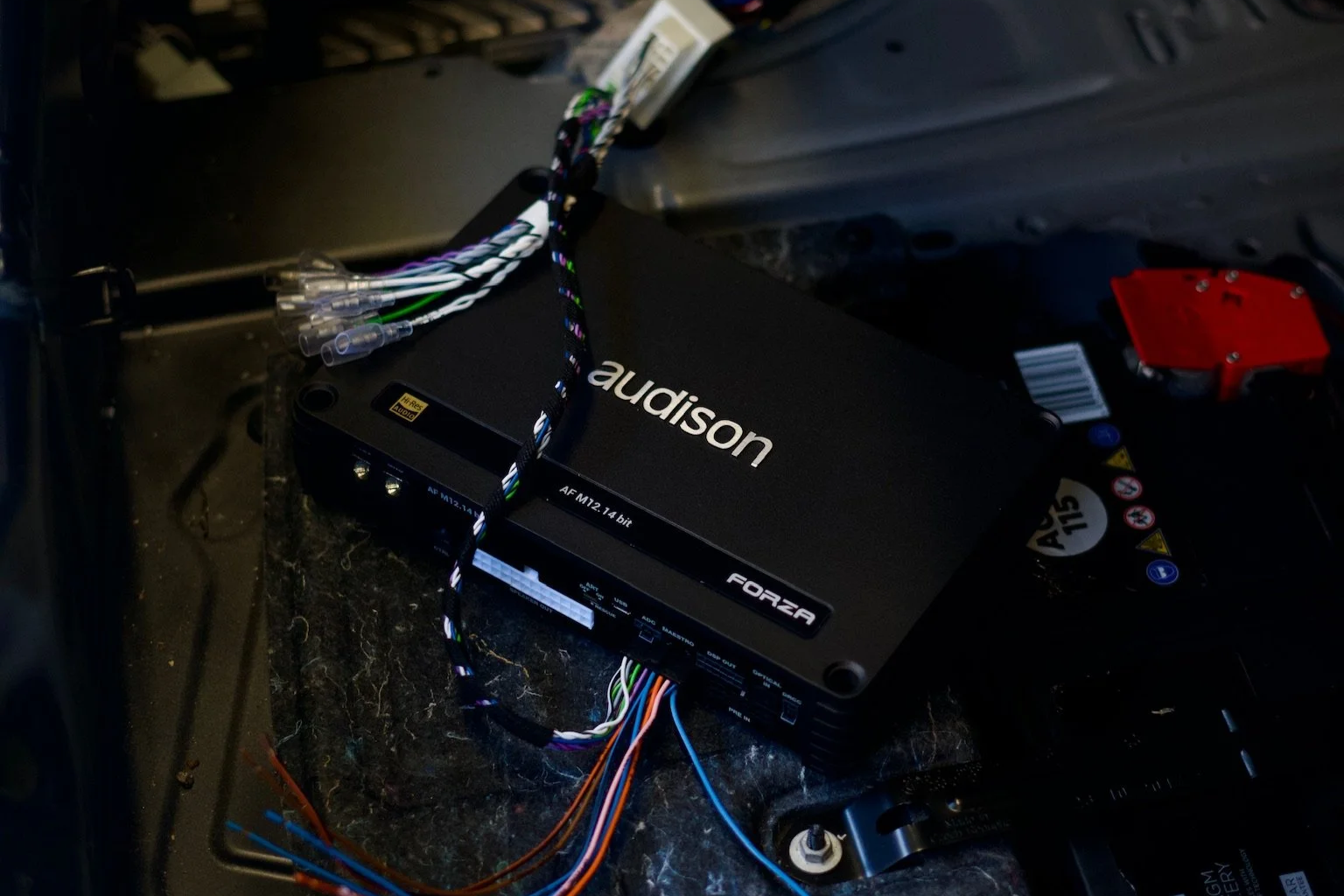
Upgrading your vehicle's audio does not mean altering your interior appearance or chopping into factory wiring harnesses. Modern vehicle-specific component kits fit precisely behind your original door panels using custom mounting collars and plug-and-play wiring connectors.
If you are tired of flat sound and want to hear what your music actually sounds like on the road, visit our workshop on St Albans Road or reach out to our team to explore tailored speaker packages for your vehicle.